Truck loading conveyor / Elevator About
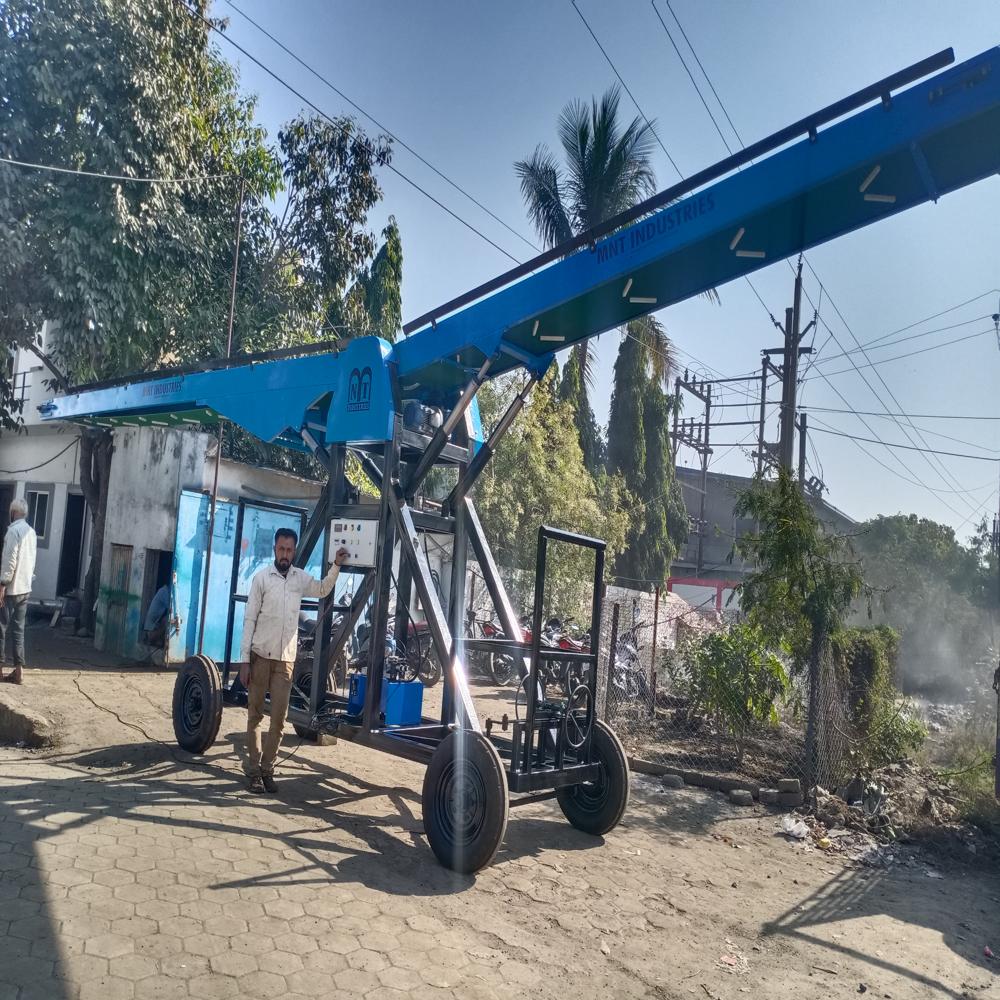
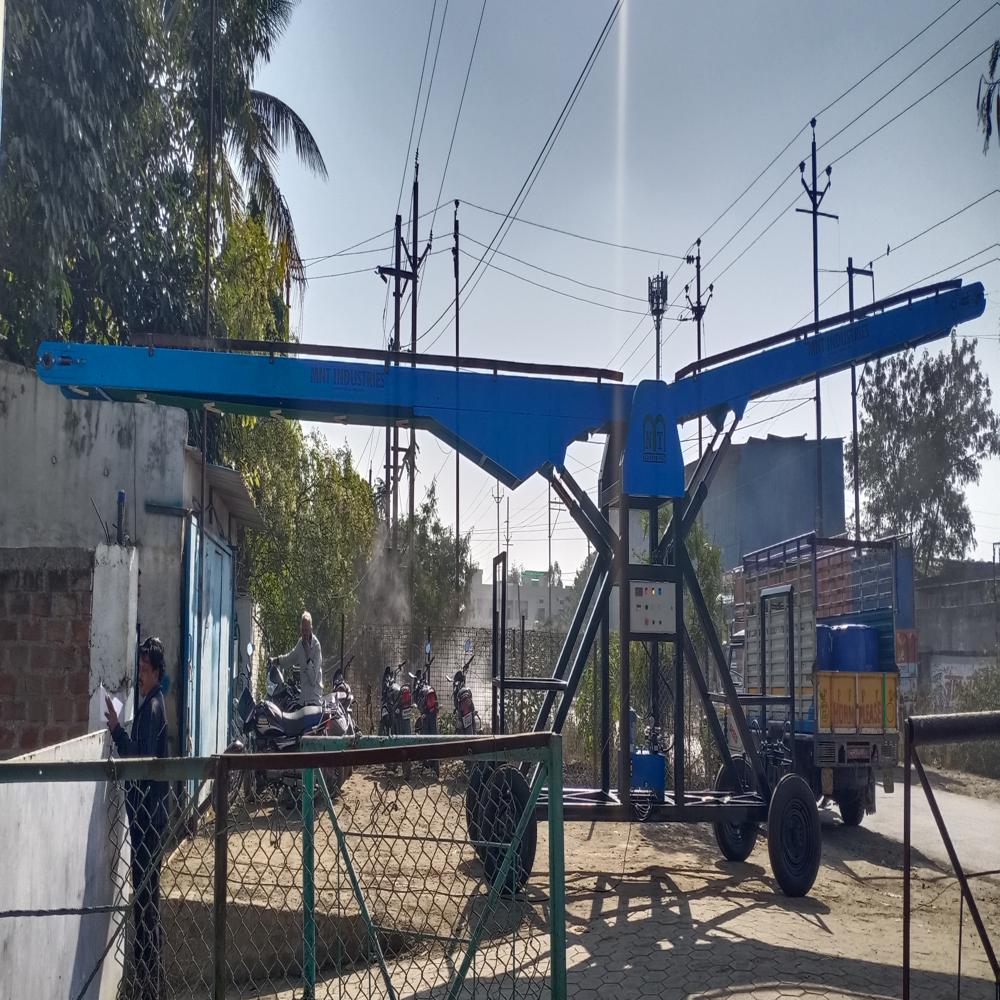
The Double Arm Truck Loading Conveyor is useful for simple task like loading and unloading trucks and taking it to the first floor or plainly, truck to truck, stack to truck or vice versa to move the material to any place where material needs to be moved rapidly and efficiently
- Loading and Unloading:The primary function is to move items (boxes, pallets, etc.) onto or off of trucks.
- Flexibility:Truck loading conveyors come in various forms (fixed, mobile, telescopic, flexible) to accommodate different needs and environments.
Benefits:
- Increased Efficiency: Automates the loading and unloading process, saving time and resources.
- Reduced Labor Costs: Minimizes the need for manual handling.
- Improved Safety: Reduces the risk of workplace injuries associated with manual lifting.
- Enhanced Throughput: Enables faster loading and unloading, especially for high-volume operations.
- Ergonomic Design: Adjustable height and other features improve worker comfort and reduce strain.
Advanced Material Handling SolutionThe Double Arm Truck Loading Conveyor and Reciprocating Vertical Elevator streamline loading and unloading processes, facilitating the movement of materials from truck to floor or between locations. With its precision-engineered incline structure, this equipment is designed to handle heavy lifting efficiently and safely, dramatically reducing manual labor while boosting productivity.
Customizable to Suit Your NeedsEach unit is tailored to fit individual buyer requirements, including color options, belt type, thickness, height, and operational speed. Whether you need a straightforward truck-to-truck transfer or vertical movement for mezzanine levels, flexibility in design ensures compatibility with various industrial environments and applications.
Durable, Safe, and EfficientManufactured using robust MS/SS materials and featuring heat-resistant properties, this conveyor system ensures longevity and reliability under demanding conditions. Ergonomic features, adjustable configuration, and live-powered rollers collectively promote a safer work environment, minimize workplace injuries, and enhance overall operational efficiency.
FAQ's of Truck loading conveyor / Elevator:
Q: How does a truck loading conveyor with a reciprocating vertical elevator operate?
A: The conveyor features a powered belt or roller mechanism to move materials like boxes or pallets either onto or off trucks. The vertical elevator component lifts loads up (to 20 ft or custom height) using a reciprocating platform, allowing for easy transfer between different levels or structures.
Q: What are the benefits of heat-resistant construction in this conveyor?
A: Heat-resistant materials enable the conveyor and elevator to operate efficiently in environments where high temperatures are common. This feature helps maintain belt integrity, prolongs equipment lifespan, and ensures reliable performance even when handling warm or processed materials.
Q: Where can this conveyor system be installed?
A: This conveyor can be installed at warehouses, manufacturing plants, distribution centers, or any facility that requires the rapid handling of heavy goods. Its incline structure, adjustable dimensions, and mobile options make it suitable for varied industrial environments.
Q: When should you consider using a reciprocating vertical conveyor?
A: A reciprocating vertical conveyor is ideal when your operations require vertical movement of goods, such as transferring loads between floors, mezzanines, or loading bays. It's particularly useful when traditional inclines are impractical due to limited floor space.
Q: What customizations are available for this conveyor system?
A: Customers can tailor the system's size, belt type, thickness, color (blue or black), height, surface finish, voltage, and speed settings. These options ensure the equipment integrates seamlessly with specific material handling requirements.
Q: How does this conveyor enhance workplace safety and efficiency?
A: Automating loading and unloading processes minimizes manual lifting, thereby reducing the risk of injuries. The ergonomic design and adjustable features improve comfort for operators, while increased throughput speeds up workflow and decreases labor costs.


 Send Inquiry





 Send Inquiry
 Send Inquiry
 Send SMS


